
Howard Pageant Winners Turn Platforms Into Community Action – The Hilltop
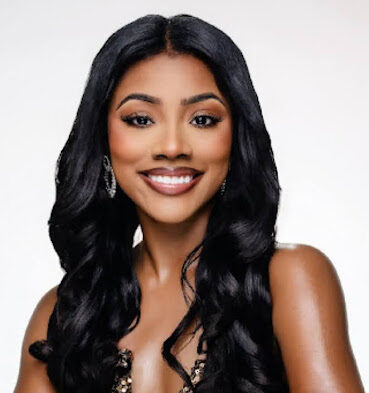
Howard University junior Leah Peterson emerged as Miss Black D.C. USA, leading a trio of Howard-affiliated queens using pageantry as a pathway to service. Alongside her, Ayahnna Hines, Ms. Black Maryland USA and Amber Darlington, Ms. Black Virginia USA, built platforms rooted in personal stories and community impact.
Leah Peterson, a junior economics major, won the title of Miss Black District of Columbia USA while continuing her work as a student leader and advocate on campus. She said Howard’s emphasis on service shaped how she approached pageantry.
“My work on campus taught me to lead with compassion, clarity and accountability, and those lessons guided everything I did in preparing for the pageant,” Peterson said.
Representing both Howard and the District made the experience deeply personal, she said.
“I carried the stories of people who shaped me, and I knew every opportunity to represent was also a chance to honor them,” she said.
Peterson’s platform, Squash Hunger, focuses on food insecurity across D.C. through community gardens, nutrition literacy workshops, produce distribution events and school partnerships. She said improving access to healthy foods is essential for long-term community wellness.
“Food access touches every part of life, and I want families to feel supported, informed and encouraged to build healthier habits within their own communities,” she said.
Her upcoming organization, also named Squash Hunger, will expand these programs into year-round initiatives that empower youth and support long-term community wellness.
“I want this organization to offer people the tools they need to grow their own resources and build lasting health beyond any temporary relief effort,” Peterson said.
Peterson said speaking with residents across the District gave her a better understanding of the complexities within food and housing access.
“Listening to stories from many neighborhoods reminded me that lasting change begins with understanding the lives and needs of the people you serve,” she said.
Her legacy centers on building empathy-driven leadership and encouraging future student advocates to uplift their communities with intention.
“I want success to be measured by the doors I help open and the belief I help spark in the people who choose to follow after me,” she said.
Competing alongside Peterson was Hines, who graduated from Howard in 2007 with a degree in health science. She said her time at the university shaped her confidence and her understanding of Black womanhood. She remembers gaining strength from being surrounded by ambitious peers.
“Howard pushed me to trust my abilities because everywhere I turned, I saw students leading boldly and showing me what excellence looked like daily,” Hines said.
Seeing friends pursue campus royalty helped spark her interest in pageantry years before she ever stepped onto a stage herself.
“I used to cheer others on from the sidelines, and one day I realized I owed myself the chance to pursue dreams I had held quietly,” she said.
Entering her first pageant at 40 reflected her commitment to personal growth, courage and choosing herself without hesitation.
“I told myself stepping into a new decade meant embracing purpose differently and refusing to let doubt decide the limits of my life,” Hines said.
Her platform, Be Divine, Be Empowered, expands access to fine arts education, particularly through dance. She focuses on offering youth performance opportunities, movement workshops and creative spaces centered on emotional healing.
“Dance carries discipline, confidence and discovery, and I want young people without arts access to feel those transformations in rooms built for their expression,” she said.
With years of dance training, Hines hopes her legacy inspires young people to embrace art as a tool for empowerment, identity and self-worth.“I want them to see creativity as a pathway to confidence and a reminder that their voice deserves space everywhere,” she said.
After graduating from the University of Phoenix with a degree in applied psychology, Darlington said she is pursuing an Executive MBA, with Howard as one of her top choices.
“I want to build something that lasts generations, so gaining the right business knowledge matters just as much as my imagination and design skills,” Darlington said.
Balancing her work in government, motherhood, creative entrepreneurship and preparation for graduate school requires discipline and clarity, she said.
“I handle a lot at once, but each responsibility reminds me of the ambition I hold and the life I’m working tirelessly to build,” she said.
Darlington’s platform, Creative Ownership and Cultural Equity, encourages Black creators to protect their artistic rights and build businesses that preserve and uplift cultural expression.
“I want our community to build systems where our art circulates value back to us and reflects pride in the cultures we create and influence worldwide,” she said.
Her experiences in fashion and global design fueled her understanding of cultural preservation and the long-term need for equitable creative systems.
“I watched other communities protect their artistic traditions, and it made me realize how important it is for Black creators to own our processes fully,” she said.
Darlington said the excellence of Black women has always guided her, especially in unfamiliar spaces.
“It is unfortunate that Black women are often the smartest in the room, yet society doubts us, though we constantly support each other and carry answers with grace,” she said.
Her legacy centers on helping Black artists build sustainable infrastructure that ensures generational creative ownership.
“I want people to inherit structures that give them power, not barriers, and I want our creativity to sustain communities for centuries,” she said.
Copy edited by D’Nyah Jefferson – Philmore
Source link